
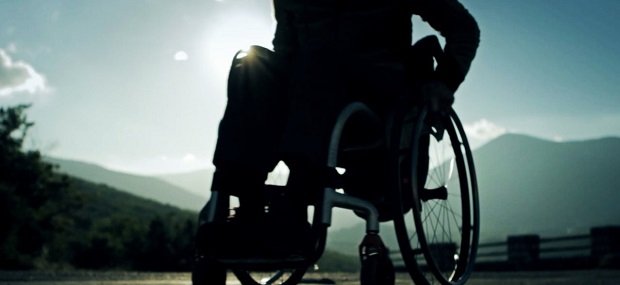
A group of people with disabilities held a protest rally in front of the parliament building and the Planning and Budget Organization to protest the lack of implementation of the law on the disabled and their miserable living conditions.
The rally, which was held on Wednesday, December 1, was on the occasion of the International Day of Disabled Persons.
According to Zamaneh, defenders of the rights of the disabled say that the total income of people with disabilities in Iran barely reaches three million tomans, while the minimum living wage is calculated at nearly 50 million tomans.
This rally was held with a previous call, and people with disabilities, in addition to holding a rally in front of the parliament building, also held a rally in front of the Planning and Budget Organization.
This protest rally is being held at a time when at least 15,000 people with disabilities have been waiting in line to receive wheelchairs for years, and hundreds of thousands have been waiting in line for living expenses and nursing care allowances.
Disabled people in Iran are burdened by inflation with a pension of 1.4 million tomans And they are fed up with the high cost, and instead of taking practical action and presenting a specific program to reduce the problems of the disabled, the government, like in previous years, is chanting empty and ineffective slogans.
The Disabled Campaign wrote on its Telegram channel:
In Iran, disability events have become a golden opportunity for the government to present a false image of "paying attention to the rights of people with disabilities" by holding lavish ceremonies full of slogans. Crowded halls, stereotypical speeches by officials, the playing of emotional songs and films, and repeated promises have all become part of this annual humiliating show. These ceremonies talk about “honor,” “respect,” and “planning for the future,” but in reality, none of the basic rights of people with disabilities—from urban access to employment, housing, rehabilitation, health, medical services, education, livelihood support, and so on—are recognized.
In Iran, people with disabilities face extensive challenges in various social, economic, and cultural areas. Many public places, transportation systems, and urban spaces are still not fully adapted, limiting the independence and social participation of people with disabilities. In addition, stereotypical and pitiful views in a part of society make it less likely that they will be provided with equal opportunities for education, employment, and active participation in society.
In terms of laws, although the "Law on the Protection of the Rights of Persons with Disabilities" and some other regulations officially exist, a significant portion of these laws are not implemented or do not have strong enforcement guarantees. Issues such as the adaptation of roads, employment quotas, accessibility of medical and educational services, and financial support have not been fully realized in practice. The main problem is not simply the lack of laws, but also the weakness of oversight and the lack of budget and executive will, which make their implementation difficult.
As a result of these inefficiencies, many people with disabilities continue to be deprived of their basic rights and equal opportunities for development and independent living are difficult for them.
The lack of appropriate infrastructure, lack of economic support, and the inattention of some institutions to the implementation of laws exacerbate the gap between policymaking and the reality of the lives of people with disabilities.